
Generator14/11/2026
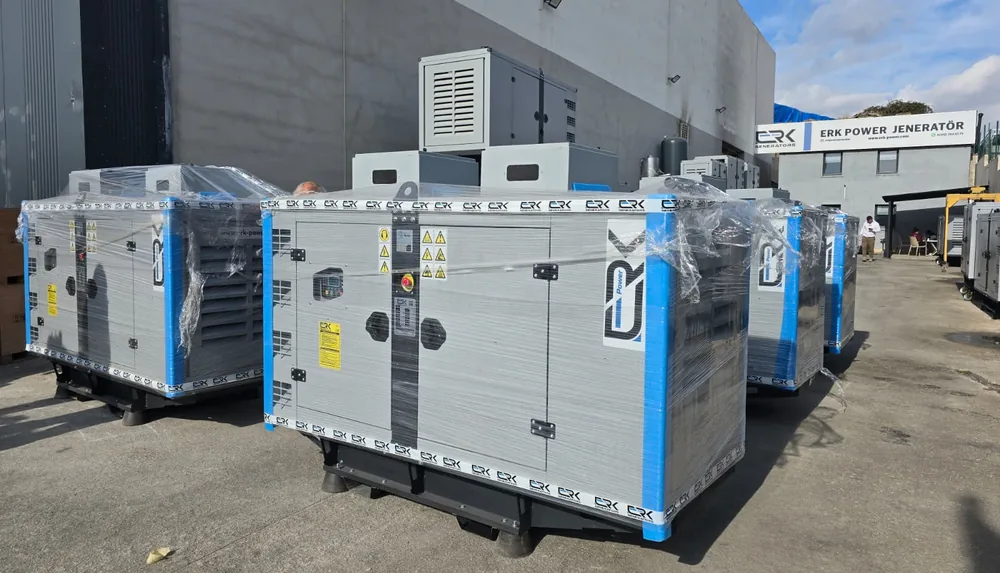
Choosing a generator for a hospital, data centre or factory is very different from covering the backup needs of a home or a shop. At these sites a few minutes of outage means risk in the operating theatre, data loss in the server room, or hours of downtime and scrapped product on the production line.
This article covers the seven criteria to check when choosing a generator for a critical site, the common mistakes in each, and a table comparing the needs of the three site types. Our assessments are based on the selection processes we go through with project customers at our factory, where we build diesel generators from 18 to 1100 kVA.
Generator Needs by Site Type
All three site types need continuous power, but their priorities differ:
| Criterion | Hospital | Data centre | Factory |
|---|---|---|---|
| Most critical load | Operating theatres, intensive care, life-support devices | Servers, storage, cooling | Production line motors, compressors, process control |
| Acceptable interruption | Almost zero in critical areas; together with UPS | Zero; UPS carries the load until the generator starts | Depends on the process; a few seconds in most plants |
| Typical setup | Automatic generator with ATS + UPS, often redundant | N+1 or 2N generators, synchronised operation | One large unit or a synchronised group |
| Decisive risk | Patient safety | Data loss and service interruption | Motor starting currents and lost production |
1. The Right Power for the Load Profile
At critical sites, sizing does not stop at adding up nameplate ratings. What really matters is how the loads come online:
- Motor starting currents: A direct-on-line motor draws several times its rated current at start-up. In factories, compressors and pumps starting together can pull the generator’s voltage down. Using soft starters or drives directly affects the generator size.
- Load steps: Whether the generator takes the load in one block or in stages changes the engine selection.
- Non-linear loads: UPS systems in data centres and drives in factories generate harmonics, which must be considered when choosing the alternator.
- Growth margin: Account for loads the site will add in the coming years. A generator sized right at the limit today may fall short in two years.
Our power calculator is a good starting point. At critical sites, however, the final rating should be verified by an engineer using the load list and starting scenarios.
2. Standby or Prime?
Which rating the generator is sized to depends on how it will be used. Our datasheets give two values for each model:
- Standby power: Backup power used for a limited time during mains outages. No overload is allowed.
- Prime power: Continuous power under variable load. ISO 3046 allows a 10% overload within 12 hours of operation.
A backup generator in a hospital with a reliable grid can be sized to standby power. In a factory on a weak grid, or wherever long outages are expected, prime power should be the basis.
3. Start-up Time, ATS and UPS Compatibility
In a diesel generator system, the time from the outage until the load is on the generator is usually between a few seconds and 15 seconds. The system that manages this is the ATS panel.
The international wiring standard IEC 60364-7-710 classifies medical locations by how quickly power must be restored: 15 seconds is accepted for some areas, while critical equipment such as operating lights requires under 0.5 seconds. Since a generator cannot meet such short times on its own, critical loads use a UPS. The logic is the same in data centres: the UPS carries the first seconds and the generator covers the long outage.
When choosing, pay attention to alternator quality and voltage regulation so that the generator works well with the UPS. Erk Power alternators are specified with ±0.5% voltage regulation on our datasheets.
4. Redundancy: N, N+1 and 2N
Relying on a single generator leaves the site unprotected when that generator fails or is serviced. At critical sites the level of redundancy must be set from the start:
- N: Generator capacity that exactly meets the demand; no spare.
- N+1: One generator more than required. The system keeps running if any single unit drops out.
- 2N: The entire system is duplicated. Usually chosen for top-tier data centres.
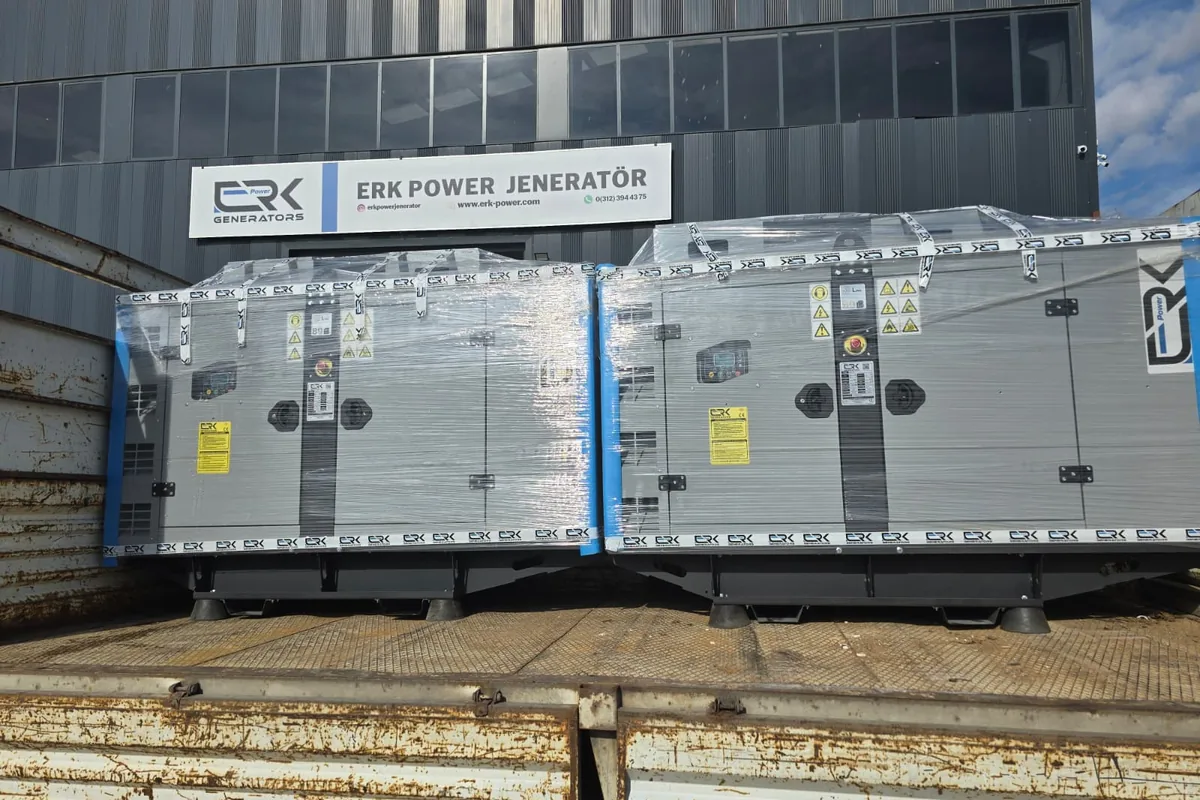
For several generators to feed the same busbar, synchronous systems are used. In a synchronised setup the generators run in parallel; when demand falls some units drop out to save fuel, and maintenance can be done without shutting the system down.
5. Fuel Autonomy
A critical site’s generator must be able to run without interruption until fuel can be delivered. That period depends on the type of site and on local supply conditions. The Uptime Institute Tier Standard, widely used to classify data centres, requires at least 12 hours of fuel on site.
At high ratings the generator’s own tank is not enough. According to our datasheets, the 650-litre standard tank of our 1000 kVA model lasts about 5 hours at 75% load. That is why external day tanks and bulk storage should be part of a critical project from the start. Hourly consumption by model is in our fuel consumption chart by kVA.
6. Siting, Canopy, Noise and Vibration
Hospitals and urban data centres are usually in residential areas, so the generator’s noise, exhaust and vibration directly affect the surroundings. In factories, harsh conditions such as dust, humidity and heat come to the fore. When choosing, look at:
- Canopy material: Erk Power canopies are made of 1.5 mm galvanised steel, which resists rust and outdoor conditions far better than black steel.
- Base frame and vibration: A 4 mm heavy-duty base frame and standard anti-vibration mounts damp vibration before it reaches the building structure.
- Ventilation and exhaust: For indoor installation, adequate air intake and exhaust discharge must be designed.
- Maintenance access: Doors that stay fixed when open and external refuelling shorten service time.
7. Monitoring, Service and Certificates
At a critical site, finding out whether the generator works during an outage is too late. The last criterion therefore concerns the generator’s life after the sale:
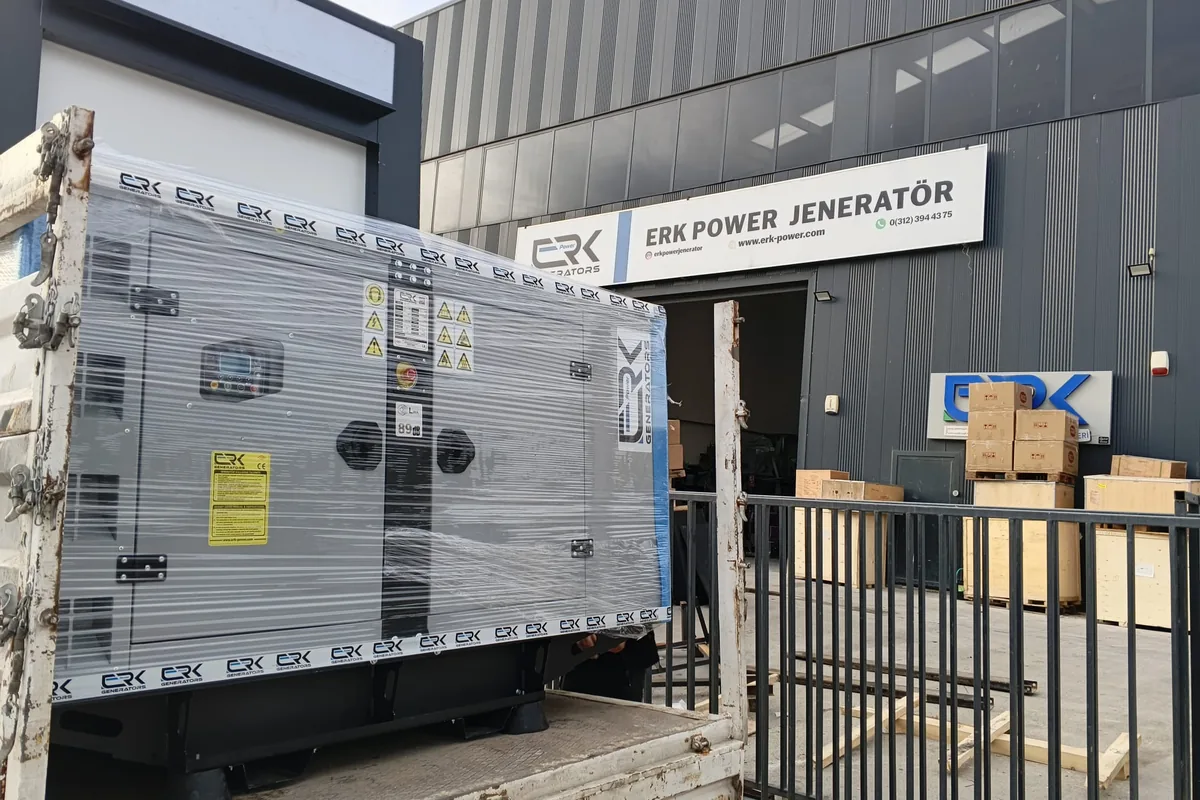
- Remote monitoring: The Datakom D-300 MK3 controller on Erk Power generators connects to building automation and SCADA systems over RS-485, Modbus RTU and optional Modbus TCP/IP, and keeps more than 400 event records.
- On-site service and spare parts: How quickly the manufacturer can supply parts and reach the site directly determines downtime.
- Periodic testing: The generator and ATS should be tested under load at least once a month and the results recorded.
- Certificates: Public and healthcare tenders usually require manufacturer certificates. You can find Erk Power’s TSE, CE and ISO certificates on our quality certifications page.
Generator Selection Checklist for Critical Sites
- Have the critical loads and their starting scenarios been listed?
- Has the standby or prime rating been set according to use?
- Has a UPS been planned for loads that cannot tolerate interruption?
- Has the redundancy level (N, N+1, 2N) been decided?
- Have the target fuel autonomy and external tank needs been calculated?
- Have the location, canopy, ventilation and exhaust been designed?
- Have remote monitoring, a test programme and a service agreement been defined?
Erk Power builds diesel generators from 18 to 1100 kVA at its factory in Kahramankazan, Ankara, and installs synchronous systems for large projects. If you fill in the quote form with your site’s load list, our engineers will reply with a proposal covering power, redundancy and fuel planning.
Frequently Asked Questions
What size generator does a hospital need?
There is no single answer; it depends on the number of beds, operating theatre and intensive care capacity, and cooling and lift loads. The rating should be calculated from the list of critical loads and their starting scenarios, with a growth margin added.
Why do data centres use more than one generator?
With a single generator, the data centre is unprotected when that unit fails or is serviced. In an N+1 or 2N setup the others carry the load even if one unit drops out. The generators run in parallel through a synchronous system.
Does a generator alone provide uninterrupted power?
No. A diesel generator takes a few seconds to come online. Medical devices and servers that cannot tolerate this use a UPS; the UPS covers the first seconds and the generator covers the long outage.
What is the most common mistake when choosing a factory generator?
Ignoring motor starting currents. Compressors and pumps starting together draw a very high momentary current; if the generator is sized only on total nameplate power, the voltage drops and the motors fail to start.
How often should a generator at a critical site be tested?
At least once a month, under real load where possible. Tests should check the ATS transfer, oil pressure, engine temperature and battery condition, and the results should be recorded.
Does Erk Power build generators for specific projects?
Yes. Erk Power builds diesel generators from 18 to 1100 kVA; options such as the canopy, tank, controller and synchronous system are set according to the project’s needs.