
Generator14/11/2026
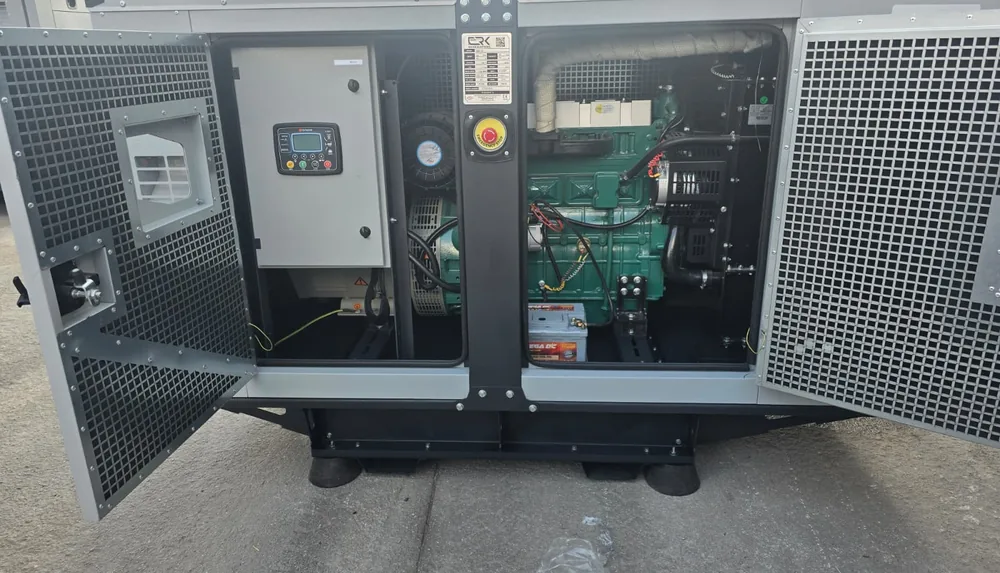
An ATS panel (automatic transfer switch) is an automatic switching system that starts the generator when mains power fails, transfers the load to it, and returns the load to the mains when power comes back. Thanks to the ATS, a building, factory or hospital is back on power within seconds without anyone having to go to the generator.
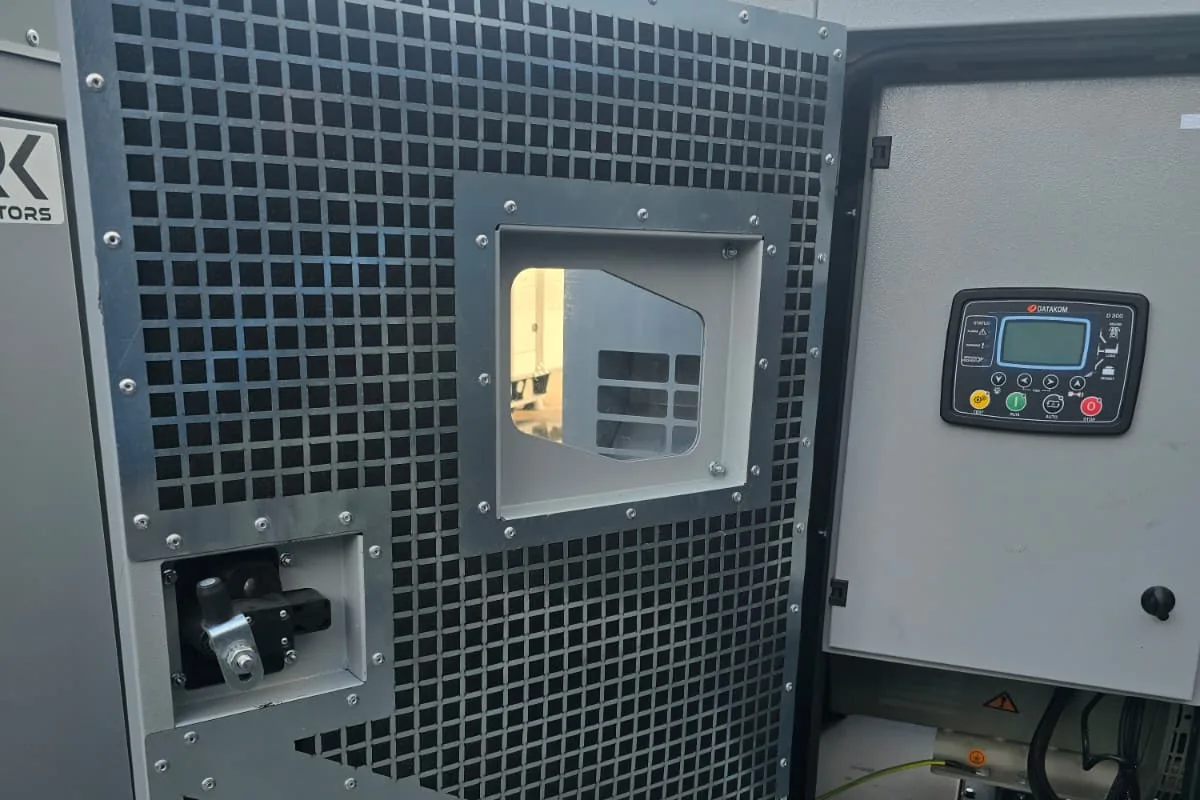
This article explains what is inside an ATS panel, what happens from the moment the power fails until it returns, how AMF differs from ATS, and the current calculation needed to choose the right ATS. Our examples use the Datakom D-300 MK3 controller fitted to Erk Power generators.
What Does an ATS Panel Do?
A generator on its own only produces electricity. The system that decides when the building is fed from the generator and when from the mains, and that makes this changeover safely, is the ATS panel. It has three core tasks:
- Monitoring the mains: It continuously measures voltage and frequency and detects a full outage, a voltage drop or a lost phase.
- Managing the generator: It tells the generator to start during an outage and to stop once the mains is back.
- Transferring the load safely: It moves the load from one source to the other while preventing the mains and the generator from being connected to the same line at the same time.
The last point is critical for safety. Connecting the mains and the generator together can damage the generator and endanger electricians working on the grid. That is why ATS panels have both mechanical and electrical interlocks.
What Does the ATS Do, Step by Step, When the Power Fails?
In a building with an automatic generator, an outage triggers this sequence:
- The outage is detected. The controller measures the drop in mains voltage or the loss of a phase.
- A short delay runs. An adjustable delay stops the generator from starting unnecessarily for momentary dips.
- The generator is cranked. The engine starts, and the system waits until speed, voltage and frequency are stable.
- The load is transferred to the generator. The mains side opens and the generator side closes. The building now runs on the generator.
- The mains is still monitored. When power returns, the system waits again to make sure the mains is stable.
- The load goes back to the mains. The generator side opens and the mains side closes.
- The generator cools down and stops. The engine runs off load for a while to cool, then stops by itself, ready for the next outage.
With diesel generators, the time from the outage until the load is on the generator is usually between a few seconds and 15 seconds, depending on the settings and whether the engine is warm. Every delay in this sequence can be adjusted on the controller.
What Is the Difference Between AMF and ATS?
The two terms are often used interchangeably, but they describe different jobs:
| AMF (Automatic Mains Failure) | ATS (Automatic Transfer Switch) | |
|---|---|---|
| What is it? | A control function that detects mains failure and starts the generator automatically | A switching system that physically transfers the load between the mains and the generator |
| Where is it? | In the generator’s controller | In the transfer panel (contactors or motorised breakers) |
| Enough on its own? | No, it needs a switching element to move the load | No, it needs a controller to make the decision |
In short, AMF decides and ATS executes. The Datakom D-300 MK3 controller used on Erk Power generators handles both AMF and ATS control in a single unit.
What Is Inside an ATS Panel?
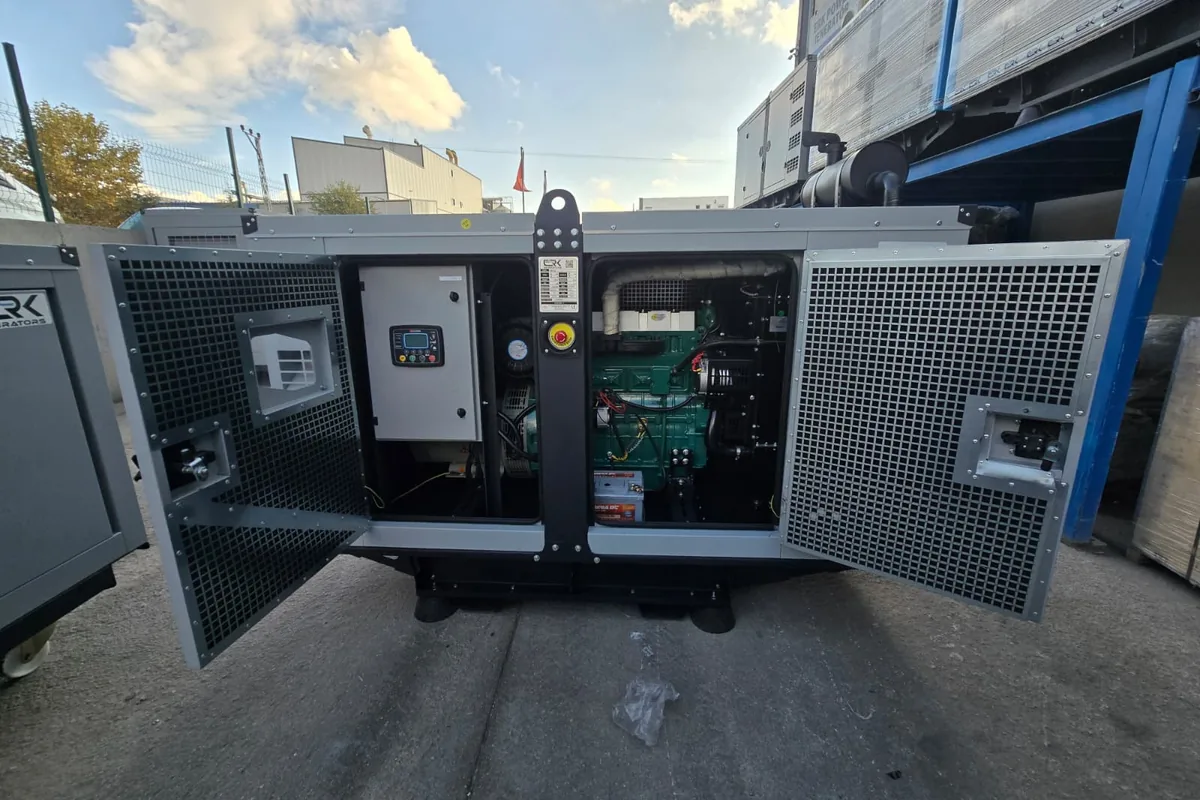
- Transfer element: Two interlocked contactors at small and medium ratings, motorised breakers at high currents.
- Controller: Measures mains and generator voltage, runs the timers and keeps a fault log.
- Interlock: Mechanical and electrical locks that prevent both sources from connecting at once.
- Protection: Fuses and protection for the measuring and control circuits.
- Neutral switching: A 3-pole or 4-pole design is chosen according to the site’s earthing system.
What Can You Monitor with the Datakom D-300 MK3?
The Datakom D-300 MK3, standard on Erk Power generators, shows the following on one screen in an ATS application:
- Mains and generator voltages, phase currents and frequency
- Active, apparent and reactive power, power factor and energy counters
- Oil pressure, engine temperature, battery voltage and running hours
- Over/under voltage, frequency, overcurrent, reverse power and phase sequence protection
- More than 400 event records; remote monitoring over RS-485, Modbus RTU and an optional GSM modem
How to Choose an ATS Panel: Current Chart by kVA
The most important selection criterion for an ATS panel is the current it must carry. In a 400 V three-phase system, a generator’s full-load current is approximately kVA × 1.44. The ATS rating should not be lower than this value.
| Generator rating | Full-load current (400 V) | Suggested ATS rating |
|---|---|---|
| 35 kVA | ≈ 50 A | 63 A |
| 70 kVA | ≈ 101 A | 125 A |
| 110 kVA | ≈ 159 A | 160–200 A |
| 220 kVA | ≈ 318 A | 400 A |
| 300 kVA | ≈ 433 A | 630 A |
| 500 kVA | ≈ 722 A | 800 A |
| 1000 kVA | ≈ 1443 A | 1600 A |
The currents in the chart match our technical datasheets; the standby current on our 300 kVA model’s datasheet, for example, is 432 A. The suggested ratings are general guidance; the final choice should be made at the design stage based on cable sizes, short-circuit current and future loads.
Besides current, answer these questions too:
- Will the neutral be switched as well? (3 or 4 poles)
- Is a brief interruption acceptable on the return to mains, or is a seamless return required?
- Will the panel be installed indoors or outdoors? (protection class)
- Is remote monitoring or a link to building automation needed?
Does an ATS Provide Uninterrupted Power?
No. An ATS does not cover the few seconds between the outage and the generator taking over. Loads that cannot tolerate this short break, such as computers, servers and medical devices, need a UPS in the system. The UPS carries the first seconds, and once the generator is online it takes over the load.
At large sites where several generators must work together, synchronous systems are used instead of, or together with, an ATS. In a synchronous system the generators run in parallel and share the load as needed.
Five Common ATS Panel Mistakes
- Undersizing the current: If the generator is upgraded but the ATS is not, the panel overheats and the risk of failure rises.
- Skipping tests: If the ATS is not tested under load at least once a month, a fault is discovered only during a real outage. The controller’s test mode exists for this.
- Forgetting the battery: Even a perfect ATS cannot help if a weak battery stops the generator from cranking.
- Wrong delay settings: Too short a delay starts the generator needlessly; too long a delay prolongs the outage.
- Ignoring neutral and earthing: A pole count that does not match the site’s earthing system causes protection problems.
To work out how much fuel the generator will burn during an outage, use our fuel consumption chart by kVA.
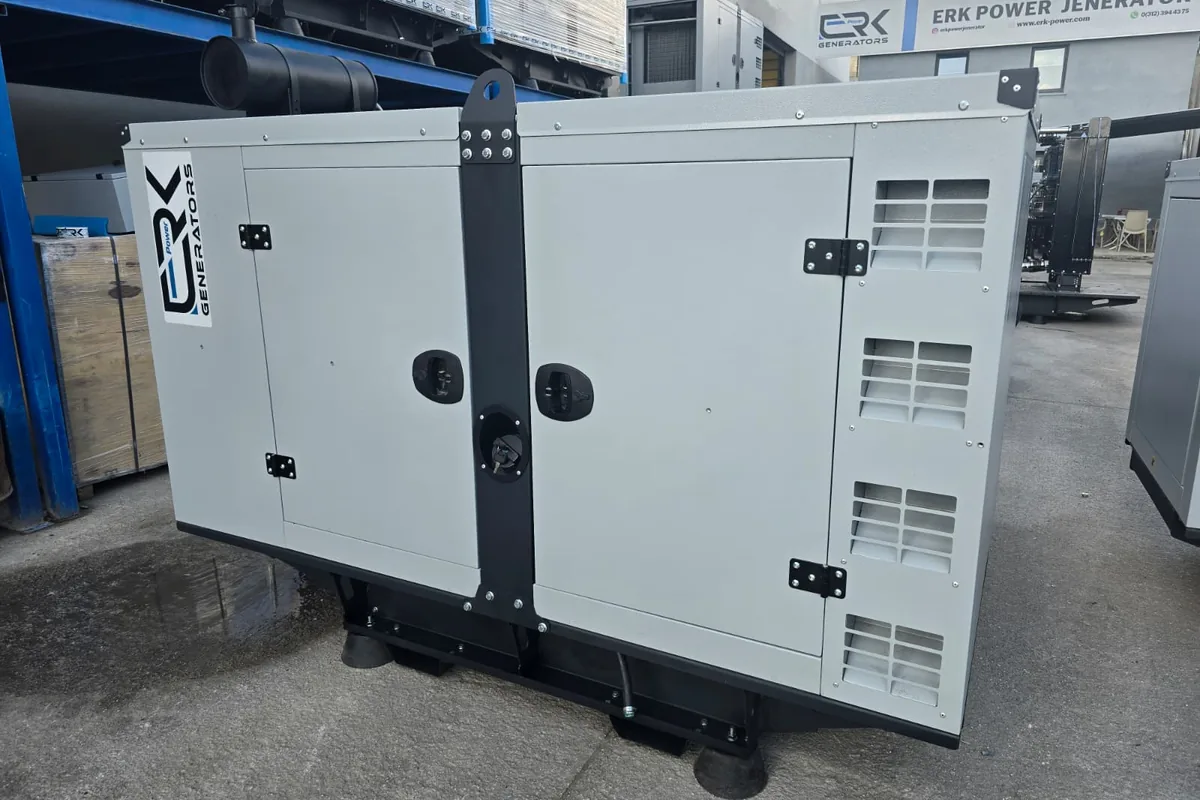
Erk Power builds its diesel generators as manual or automatic sets with ATS. To determine the right rating and ATS class for your site with us, fill in the quote form.
Frequently Asked Questions
Can a generator be used without an ATS panel?
Yes, manual generators are used without an ATS. In that case someone has to start the generator and transfer the load by hand during an outage. Where interruptions are not acceptable, an automatic generator with ATS is preferred.
How many seconds does an ATS transfer take?
With diesel generators, the time from the outage until the load is on the generator is usually between a few seconds and 15 seconds. It depends on the delay settings in the controller and on whether the engine is warm.
Can an ATS be added to an existing manual generator?
In most cases, yes. The generator’s controller must support automatic starting and the starting system must be suitable. Have an electrical specialist inspect the generator and the site’s switchboard before the work.
Where is an ATS panel installed?
An ATS is usually installed near the main distribution board, at the point where the mains supply and the generator line meet. On some generators the ATS can also sit inside the canopy.
Is an ATS the same as a UPS?
No. An ATS is a switching system that transfers the load between the mains and the generator, with a few seconds of interruption during the changeover. A UPS bridges that gap instantly using batteries. Sensitive loads use both together.
How often should an ATS be tested?
At least once a month, under real load where possible. The controller’s test mode lets you start the generator and try the transfer; the results can be checked in the event log.